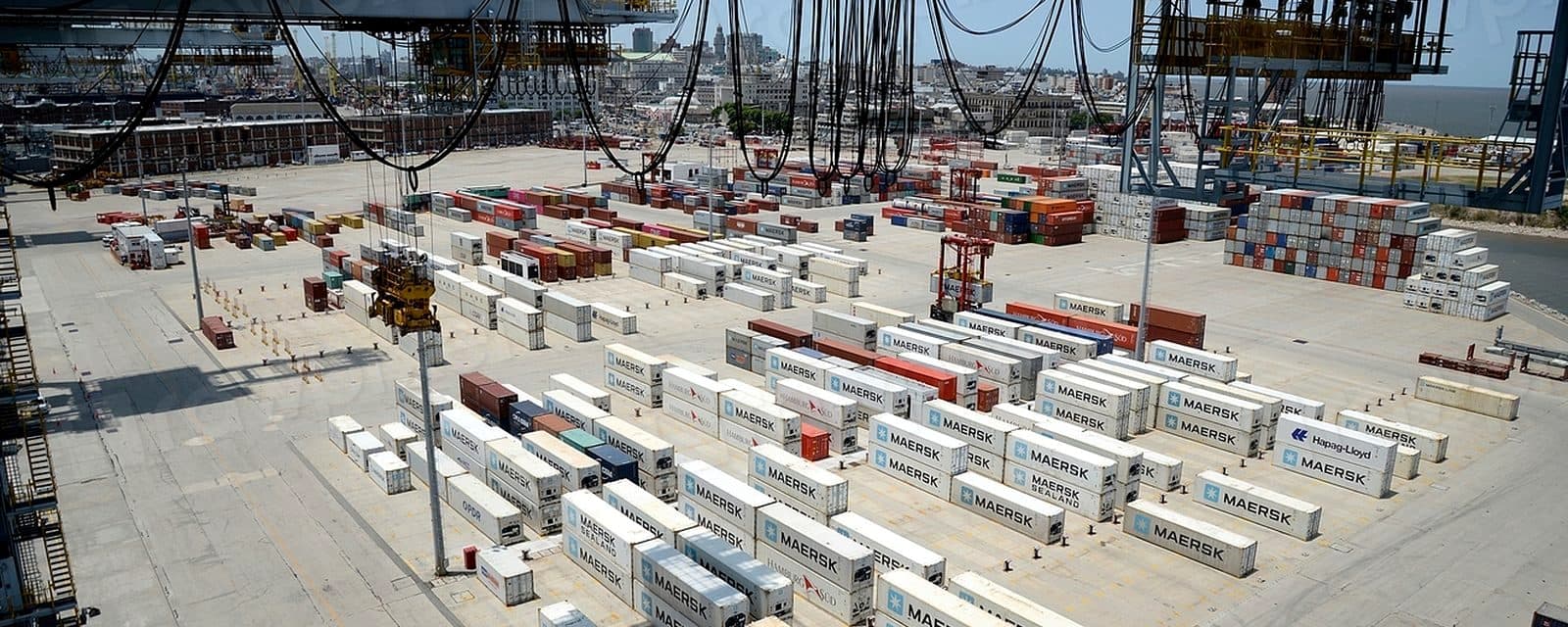
Ocean carriers are imposing additional surcharges as vessels keep avoiding the Red Sea, forcing longer voyages that tie up capacity. The extended routings have tightened available space and pushed spot rates higher on Asia-Europe lanes. Shippers, anticipating further increases, are locking in forward contracts earlier than usual. The trend points to sustained upward pressure on freight costs for cargo owners dependent on the route.
Logistics & Supply ChainFreight, ports, customs, and supply chain operations.
Desk brief
Ocean carriers are adding surcharges as Red Sea rerouting persists.
The continuing rerouting is tied to new carrier surcharges.
Customs brokers are bracing for tariff classification changes.
The anticipated changes put focus on customs classification processes.
Shipping and trade compliance teams should watch both developments.
A subsidiary of PS Logistics has acquired Roane Transportation Services, a Tennessee-based trucking business. As part of the deal, Roane and co-founder Steve Kennedy will join Loudon County Trucking, according to the announcement. The transaction adds another carrier and its co-founder to the subsidiary’s operations, highlighting continued consolidation in the trucking sector.
TFI International's less-than-truckload segment saw operating income fall to $44 million from nearly $78 million a year earlier, a sharp decline in profitability. Stronger truckload results were enough to offset that hit and keep overall profits ahead. For a professional reader, the mixed segment performance signals that TFI's earnings are increasingly dependent on truckload strength as LTL margins weaken.
PS Logistics has acquired Roane Transportation Services, adding more than 170 drivers and strengthening its flatbed operations in Tennessee. The deal expands the buyer's flatbed network and regional footprint, while signaling continued consolidation in the segment. For professional readers, it reflects a focus on scaling capacity and driver headcount through acquisition.
Ocean & Air FreightTrucking & RoadPorts & TerminalsRead more →
Mexico strengthened its position as the United States' top trading partner in September, with total two-way trade reaching a record $96.3 billion. The figure widens Mexico's lead over other US trading partners. For supply chain and logistics professionals, the data reinforces how central Mexico has become to US sourcing and cross-border freight flows.
Speaking at Optym Convergence, FreightWaves chief executive Fuller argued that non-domiciled commercial driver's license holders were likely the main factor behind the freight downturn's length, and he expects federal enforcement against them to continue regardless of political changes in Washington. He credited large carriers with keeping the FMCSA crackdown alive. For fleets and drivers, the takeaway is that scrutiny of non-domiciled CDLs is unlikely to ease soon, making it a lasting capacity and compliance variable rather than a short-term policy episode.
Customs officers at the Texas border stopped a produce truck after a canine alert and found more than 1,000 pounds of methamphetamine hidden in the shipment, with an estimated value approaching $1 million. The seizure highlights how legitimate freight lanes and perishable cargo can be exploited for drug smuggling, and it underscores the importance of carrier vetting, cargo screening, and chain-of-custody controls for shippers and logistics providers moving cross-border loads.
Customs & TradeOcean & Air FreightTrucking & RoadRead more →
The Surface Transportation Board has signaled broader federal protection for rail-served projects against state and local restrictions through a new policy statement. The statement questions earlier decisions involving customer-owned terminals and sets out stronger arguments against taking railroad property. For professionals, this could shift how local opposition, permitting disputes, and property condemnations are assessed in rail-related development.
Ocean & Air FreightTrucking & RoadPorts & TerminalsRead more →
Reliable Robotics CEO Robert Rose argues that self-flying aircraft are closer to reality than many aviation and freight professionals assume. He explains why small planes still rely on outdated systems, outlines what genuine aviation automation demands, and describes how autonomous cargo aircraft could fit into the supply chain. The takeaway for industry readers is that automation's next frontier may arrive first in smaller aircraft and freight operations rather than in large passenger jets.
Aurora’s autonomous truck production schedule has slipped due to supply and quality issues. The company is working with Roush to upfit trucks and says it still expects to have more than 1,000 ready by the end of 2027. The delay highlights execution risk in scaling autonomous trucking and the company’s reliance on manufacturing partners.
Container imports into North America rose 9% in September, part of a broader surge in global container volumes during the month. The gain came even as supply chain disruptions and higher freight rates added mounting cost pressure for shippers. For logistics and sourcing professionals, the mix of stronger volumes and tightening pricing points to a more difficult capacity and budget planning environment in the near term.
Customs & TradeOcean & Air FreightPorts & TerminalsRead more →
The investment arm of Maersk's corporate parent is expanding its international ports portfolio through agreements in Asia and Europe, with the company eyeing deals covering more than 50 terminals. The push signals that the shipping group's controlling shareholder wants a larger position in container terminal capacity beyond the liner business itself. For freight and logistics professionals, the expansion could influence terminal ownership, capacity planning and competition at key gateways across two major trade regions.
Customs & TradeOcean & Air FreightPorts & TerminalsRead more →
Conlio has raised €6.4 million in a funding round led by Piton Capital to automate the document verification that European freight forwarders currently perform manually on every shipment. These checks sit on the critical path before carriers are paid and customers are invoiced, so delays or errors directly affect cash flow and billing accuracy. Automating them could shorten payment cycles and reduce administrative overhead for forwarders handling high volumes of loads.